
"indigenous coffee"
1100 article(s) found

Bolivian snow vein manor coffee flavor taste characteristics boutique coffee introduction
Presidential elections were held on December 18, 2005. Evo Morales, leader of the Aymara Indian Movement for Socialism in Bolivia, won the election with 53.75% of the vote and took office on January 22, 2006. He became the first Native American president of Bolivia and the first leftist president of Bolivia. It began with progressive communal socialism (Indian socialism).

Coffee in the Galapagos Islands
In 1875, Manuel J. Cobos, an indigenous Ecuadorian, began growing arabic bourbon coffee trees on Hacienda El Cafetal in San Cristobal. Coffee growing in the Galapagos Islands: Coffee is grown in Saint Cristobal. Hacienda El Cafetal in San Cristobal
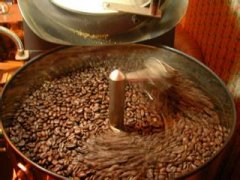
Coffee from the Galapagos Islands
In 1875, Manuel J. Cobos, an indigenous Ecuadorian, began growing arabic bourbon coffee trees on Hacienda El Cafetal in San Cristobal. Coffee growing in the Galapagos Islands: Coffee is grown in Saint Cristobal. Hacienda El Cafetal in San Cristobal

Mexican Coffee Bean Brand Recommended Mexican Coffee Bean Varieties Mexican Coffee Drinking Method
Mixteca Alta del Pacifico is an organic coffee cooperative located in the Mixteca region of Oaxaca, home to the Mixteca and Zapoteca indigenous peoples. The cooperative is headquartered in Santa Maria Yuciti, and its membership includes 172 producers. big
Global Coffee producer-Galapagos
In 1875, ManuelJ.Cobos, an indigenous Ecuadorian, began to grow Arabic bourbon coffee trees in the Hasunda Coffee Garden (HaciendaElCafetal) in San Cristobal. Coffee production in the Galapagos Islands: coffee is grown in San Cristobal (SaintCristobal). Inner species of Hasunda Coffee Garden (HaciendaElCafetal) in San Cristobal

Introduction to the characteristics of flavor varieties in Bolivian coffee manor with high quality and rich sour taste
On December 18, 2005, the presidential election was held. Aymara Indian, Evo Morales, leader of the Bolivian socialist movement, won the election with 53.75% of the vote and took office on January 22, 2006. He became the country's first Native American president and Bolivia's first left-wing president. Began with progressive community socialism (that is, Indian socialism)

Introduction to the Fine Coffee Bean Manor in the Coffee Variety producing area of Snow vein Manor in Bolivia
The legal capital, the seat of the Supreme Court, with a population of 284000, 2790 meters above sea level. Founded in 1538, the city was formerly known as Chuquisaka. The city witnessed the first uprising in South America against Spanish rule in 1809. Bolivia declared its independence here in 1825 and became the capital in 1826. In 1839, it was renamed Sucre to commemorate the second president of Bolivia, General Antonio Jos é Sucre.
Twelve famous premium coffee producing regions of Galapagos
In 1875, Manuel J. Cobos, an indigenous Ecuadorian, began growing arabic bourbon coffee trees on Hacienda El Cafetal in San Cristobal. Coffee growing in the Galapagos Islands: Coffee is grown in Saint Cristobal. Hacienda El Cafetal in San Cristobal
Galapagos coffee producing area Galapagos coffee flavor
In 1875, ManuelJ.Cobos, an indigenous Ecuadorian, began to grow Arabic bourbon coffee trees in the Hasunda Coffee Garden (HaciendaElCafetal) in San Cristobal. Coffee production in the Galapagos Islands: coffee is grown in San Cristobal (SaintCristobal). Inner species of Hasunda Coffee Garden (HaciendaElCafetal) in San Cristobal
Taste rich Galapagos coffee flavor, characteristics, taste and manor introduction
In 1875, Ecuador's indigenous ManuelJ.Cobos began to grow Arabic bourbon coffee trees in the Hasunda Coffee Garden (HaciendaElCafetal) in San Cristobal. Coffee production in the Galapagos Islands: coffee is grown in San Cristobal (SaintCristobal). In the Hasunda Cafe Garden (HaciendaElCafetal) in San Cristobal

Balanced acidity and aromatic Ecuadorian Coffee Santa Cruz Manor
In 1875, 340 years after Freitoma de Belanga discovered the island, an indigenous man named Kovos came to St. Cristobal Island, where he established the Hasunda Coffee Garden and planted about 100 hectares of Arabian bourbon coffee trees. Since the plantation is located between 140m and 275m above sea level, the climate is equivalent to that of 915m ~ 1830 m in the interior.
Global coffee producer Galapagos Galapagos Islands Coffee Market
In 1875, ManuelJ.Cobos, an indigenous Ecuadorian, began to grow Arabic bourbon coffee trees in the Hasunda Coffee Garden (HaciendaElCafetal) in San Cristobal. Coffee production in the Galapagos Islands: coffee is grown in San Cristobal (SaintCristobal). Inner species of Hasunda Coffee Garden (HaciendaElCafetal) in San Cristobal

The coffee producing area of the Galapagos Islands.
In 1875, ManuelJ.Cobos, an indigenous Ecuadorian, began to grow Arabic bourbon coffee trees in the Hasunda Coffee Garden (HaciendaElCafetal) in San Cristobal. Coffee production in the Galapagos Islands: coffee is grown in San Cristobal (SaintCristobal). Inner species of Hasunda Coffee Garden (HaciendaElCafetal) in San Cristobal

The coffee producing area of the Galapagos Islands.
In 1875, ManuelJ.Cobos, an indigenous Ecuadorian, began to grow Arabic bourbon coffee trees in the Hasunda Coffee Garden (HaciendaElCafetal) in San Cristobal. Coffee production in the Galapagos Islands: coffee is grown in San Cristobal (SaintCristobal). Inner species of Hasunda Coffee Garden (HaciendaElCafetal) in San Cristobal

Ethiopian Oromia Coffee Farmers Cooperative Union introduces Ethiopian Coffee
Professional coffee knowledge exchange more coffee bean information please follow Coffee Workshop (Wechat official account cafe_style) Oromia Coffee Farmers Cooperative Union was established by 35 small organic cooperatives in 1999. Its members are indigenous farmers in the vast Oromia state of southern and southwestern Ethiopia, which produces 65 per cent of the country's coffee. The farm is located between 1500 and 2000 above sea level.

Galapagos coffee flavor Galapagos coffee characteristics Galapagos coffee taste
In 1875, Ecuador's indigenous ManuelJ.Cobos began to grow Arabic bourbon coffee trees in the Hasunda Coffee Garden (HaciendaElCafetal) in San Cristobal. Coffee production in the Galapagos Islands: coffee is grown in San Cristobal (SaintCristobal). In the Hasunda Cafe Garden (HaciendaElCafetal) in San Cristobal

Taste rich Galapagos coffee flavor, characteristics, taste and manor introduction
In 1875, Ecuador's indigenous ManuelJ.Cobos began to grow Arabic bourbon coffee trees in the Hasunda Coffee Garden (HaciendaElCafetal) in San Cristobal. Coffee production in the Galapagos Islands: coffee is grown in San Cristobal (SaintCristobal). In the Hasunda Cafe Garden (HaciendaElCafetal) in San Cristobal

Galapagos coffee producing area Galapagos coffee flavor Galapagos coffee characteristics
In 1875, ManuelJ.Cobos, an indigenous Ecuadorian, began to grow Arabic bourbon coffee trees in the Hasunda Coffee Garden (HaciendaElCafetal) in San Cristobal. Coffee production in the Galapagos Islands: coffee is grown in San Cristobal (SaintCristobal). Inner species of Hasunda Coffee Garden (HaciendaElCafetal) in San Cristobal
Introduction to Xuemai Manor, Flavor Manor in Bolivian Coffee producing area
Rich in mineral resources, mainly tin, antimony, tungsten, silver, zinc, lead, copper, nickel, iron, gold and so on. Mineral deposits are rich, with tin reserves of 1.15 million tons, ranking second in the world; iron reserves of 45 billion tons, second only to Brazil in Latin America; and lithium reserves of 100 million tons, ranking first in the world. [7] Oil and gas Bolivia is rich in oil and gas resources. Proven oil reserves are 929 million barrels, as of 2013

Detailed introduction of EP Grade Coffee beans of ASCISP Cooperative in Tolima District, Colombia
For professional baristas, please follow the Coffee Workshop (Wechat official account cafe_style), an organically certified Excelso EP coffee from the ASCISP Cooperative in Getania, Tolima, Colombia. ASCISP stands for CaficultoresOrganicosde San PedroAsociacionIndigenadeCaficultoresOrganicosde San Pedro. A